
A soft floor under bare feet, less footstep noise, and a warm look: fitted carpet instantly makes a room feel homier. But is fitted carpet allergy-friendly if you, your partner, or your child is sensitive to dust mites, pollen, or pet allergens? The honest answer is: it depends on the carpet you choose and how you maintain it. Fitted carpet doesn’t have to be a bad choice, as long as you choose carefully with the fiber, structure, and hygiene in mind.
For families who want comfort without a stuffy feeling at home, looks aren’t the only thing that matters. Flooring that’s easy to vacuum, dries quickly, and traps little dirt makes a big difference in everyday life.
Is fitted carpet allergy-friendly? The nuance behind the answer
Carpet often has a reputation for making allergies worse because dust, skin flakes, pollen, and pet hair can get trapped between the fibers. That’s partly true: if you don’t maintain a carpet, allergens can build up. This deserves extra attention, especially in a bedroom where you spend many hours every night.
At the same time, carpet also traps some of these particles, so they’re less likely to swirl around the room again than they would on a hard, smooth floor. That doesn’t mean you can simply leave your carpet unattended. It does mean that well-maintained fitted carpet can be a comfortable and sensible solution for many households.
If you have a severe dust mite allergy or asthma, it’s always wise to seek personalized medical advice. Some people are more sensitive than others. So the best flooring isn’t necessarily the same for every family, but rather a choice that suits your symptoms, living space, and the time you can spend on maintenance.
Choose a low-pile carpet with a dense structure
If you want an allergy-friendly home, it’s usually better to avoid high-pile, loose, very thick carpet. Long fibers feel wonderfully soft, but provide more space for dust and hair to get trapped. Low-pile fitted carpet is generally easier to clean thoroughly and dries faster after treatment.
Also pay attention to the fiber density. A tightly woven or short-pile surface traps less visible dirt and is more efficient to vacuum. That’s useful in a busy family home, with pets, or in rooms that get a lot of use. Think of the living room, hallway, or a child’s room where toys, crumbs, and shoes are part of everyday life.
A short pile doesn’t have to feel cold, either. Modern fitted carpets combine a refined, low-pile texture with a pleasant softness. This preserves the quiet, warm character of textile flooring without unnecessary maintenance.
Which material is the best fit?
Synthetic fibers such as polyamide and polypropylene are popular choices for practical spaces. They’re generally hard-wearing, easy to maintain, and less sensitive to moisture than many natural fibers. The surface stays fresh for a long time, especially if you remove stains promptly and vacuum regularly.
Wool, on the other hand, has a natural, luxurious look and can help regulate the humidity in a room. However, it requires somewhat more careful maintenance and isn’t the most practical option for everyone with pronounced allergy symptoms. Some people are also sensitive to certain natural fibers or to treatments applied to textiles.
So the material alone isn’t the deciding factor. A well-maintained, low-pile synthetic carpet is an easier choice for many homes than a thick, natural-fiber carpet that is rarely cleaned. If in doubt, always ask for the care instructions for the specific model.
Maintenance matters more than color or style
A light or dark fitted carpet says little about how allergy-friendly it is. The real benefit comes from a regular cleaning routine. Vacuum carefully at least once or twice a week, and more often in rooms with pets, young children, or a lot of foot traffic. Preferably use a vacuum cleaner with a good filter so fine particles aren’t blown back into the air.
Vacuum slowly in different directions. This picks up not only loose crumbs but also dust deeper between the fibers. A powerful brush setting can be useful on some carpets, but first check that it’s suitable for your pile type. Brushing too aggressively can damage fine fibers.
Treat stains right away with a clean, slightly damp cloth and a product suitable for the material. Rubbing often makes a stain larger and pushes dirt deeper into the carpet. Instead, blot from the outside toward the center. Then let the area dry thoroughly, as prolonged dampness is never good for flooring.
Periodic professional deep cleaning can be a valuable addition, especially in bedrooms and heavily used living spaces. How often it’s needed depends on your household. If you have a dog, cat, or several children, you’ll need it more often than in a quiet apartment without pets.
Monitor humidity in your home
Dust mites thrive in warm, humid environments. That’s why ventilation plays a bigger role than many people realize. Air out bedrooms daily, use extractor fans while cooking and showering, and try to avoid prolonged high humidity.
A carpet that remains damp after cleaning or a leak needs immediate attention. Let it dry completely and address the cause. This helps prevent not only allergies, but also odors and mold. That’s why fitted carpet is rarely the best choice in damp spaces such as bathrooms.
In a dry, well-ventilated bedroom, fitted carpet can create a calm, warm atmosphere. It dampens sound, which is pleasant in an apartment or family home, and makes cold mornings a little more comfortable.
Where should you lay fitted carpet, and where is it best avoided?
The bedroom is often the room people are most unsure about. For mild symptoms, low-pile, well-maintained fitted carpet can be a great choice. With a severe dust mite allergy, many people prefer a hard floor with a small, washable rug that can be cleaned regularly. That offers the greatest flexibility.
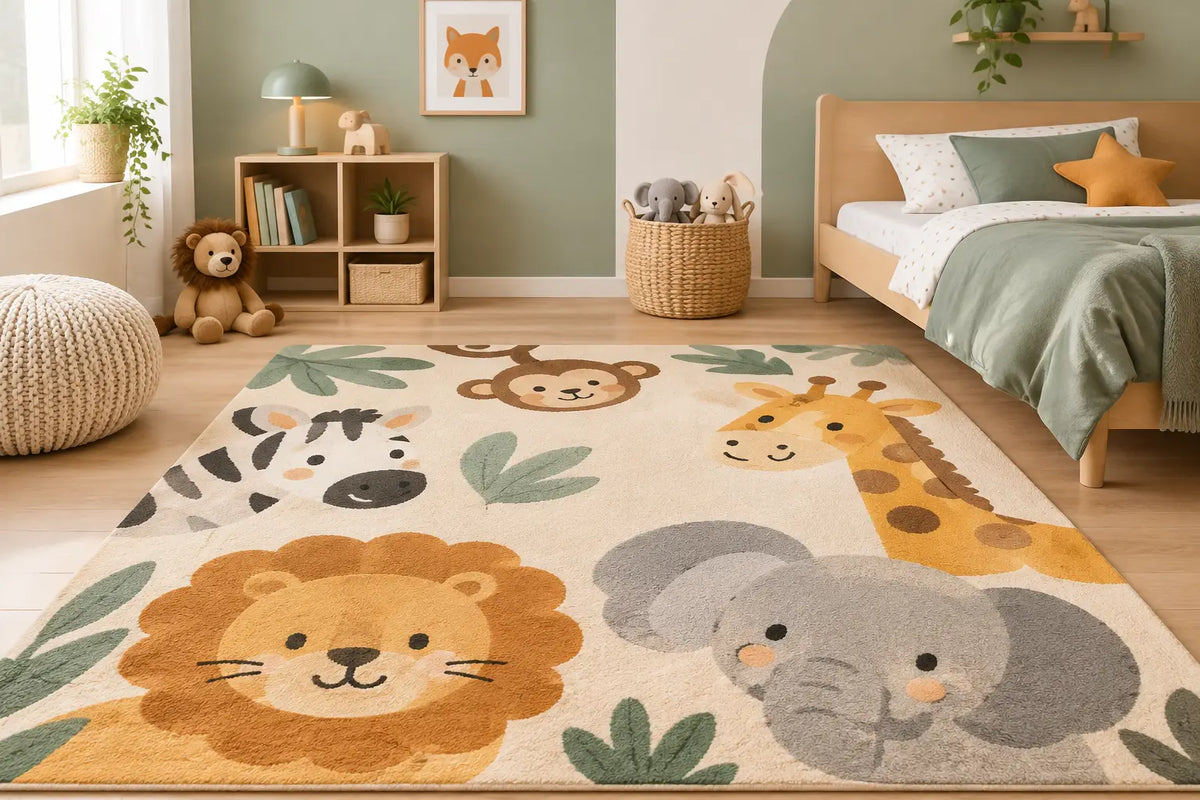
Fitted carpet is often a good option in the living room, where it’s easy to stick to a consistent vacuuming routine. Choose a durable quality and a flecked shade that handles everyday life well. In a child’s room, low-pile flooring can be comfortable for playing on, as long as you don’t let crumbs and dust build up.
Avoid fitted carpet in the bathroom, laundry room, or other places where moisture is consistently present. A hard floor is often more practical by an entrance where a lot of wetness and dirt comes in from outside. A good doormat already makes a big difference.
A smart choice for a warm, fresh interior
Choosing fitted carpet doesn’t mean you have to choose between style and health. Look beyond the color swatch: feel the pile, ask how the material should be cleaned, and think honestly about your daily routine. An elegant, low-pile carpet that’s easy to maintain will stay looking better and be more pleasant to live with.
At Omid Carpets, we’re happy to help you choose fitted flooring that suits your interior, family, and comfort needs. Whether you prefer soft beige, modern gray, or a warm, classic look, the right texture makes the difference between a beautiful floor and one you can enjoy every day without a worry.
An allergy-friendly home isn’t about making your home completely dust-free, but about developing thoughtful habits. With sufficient ventilation, regular maintenance, and the right fitted carpet, you can enjoy warmth and softness without losing sight of practical comfort.

Leave a comment
This site is protected by hCaptcha and the hCaptcha Privacy Policy and Terms of Service apply.