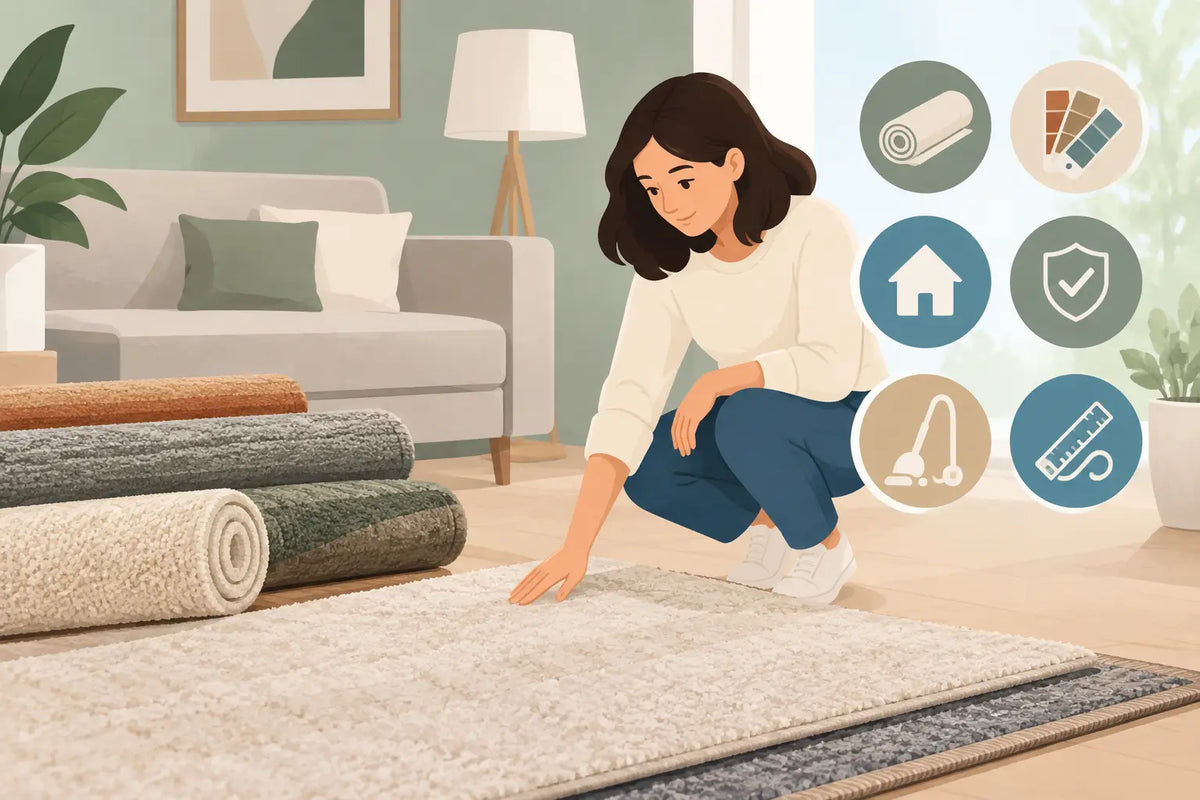
A rug can make a room feel warmer, quieter, and more inviting in an instant. But if you want to avoid common rug-buying mistakes, it pays to look beyond a beautiful color on a screen. The wrong size, a pile that is too high under the dining table, or a material that doesn’t suit a busy family: small choices like these make themselves felt every day. With these practical tips, you can choose a rug that not only looks beautiful but also feels right at home.
Avoiding rug-buying mistakes starts with choosing the right size
The most common mistake? Choosing a rug that’s too small. Especially in a living room, a small rug may look lovely on its own, but once it’s placed among the sofas, it can make the whole room look smaller and more cluttered. A rug should bring your furniture together, not sit like a lonely island in the middle of the room.
So first measure your seating area, including the space you want to leave between the rug and the walls. In a spacious living room, it usually looks best when the front legs of the sofa and armchairs sit on the rug. With a larger arrangement, you can even place all the furniture on it. This creates one visually cohesive, welcoming area where everything comes together.
The size of a rug under the dining table can also make the difference between elegant and impractical. Allow at least 60 to 70 centimeters of extra space on every side of the table. Chairs should be able to slide back without ending up half on and half off the rug. Measure the table both with the leaves folded down and fully extended for family or friends.
A large rug under the bed creates a particularly cozy feel in the bedroom. It can extend out on the left, right, and at the foot of the bed, so your feet land on a soft surface in the morning. Can’t fit a large rug? Two narrow runners beside the bed are an attractive, affordable solution.
Mark out the size on the floor
Can’t decide between two sizes? Use painter’s tape to mark out the outline of each size, or lay newspaper on the floor. You’ll immediately see how much space the rug takes up and whether it’s in proportion to your furniture. This simple step stops you from ordering based on guesswork alone and discovering afterward that the room needed more volume.
Choose the pile to suit your daily life
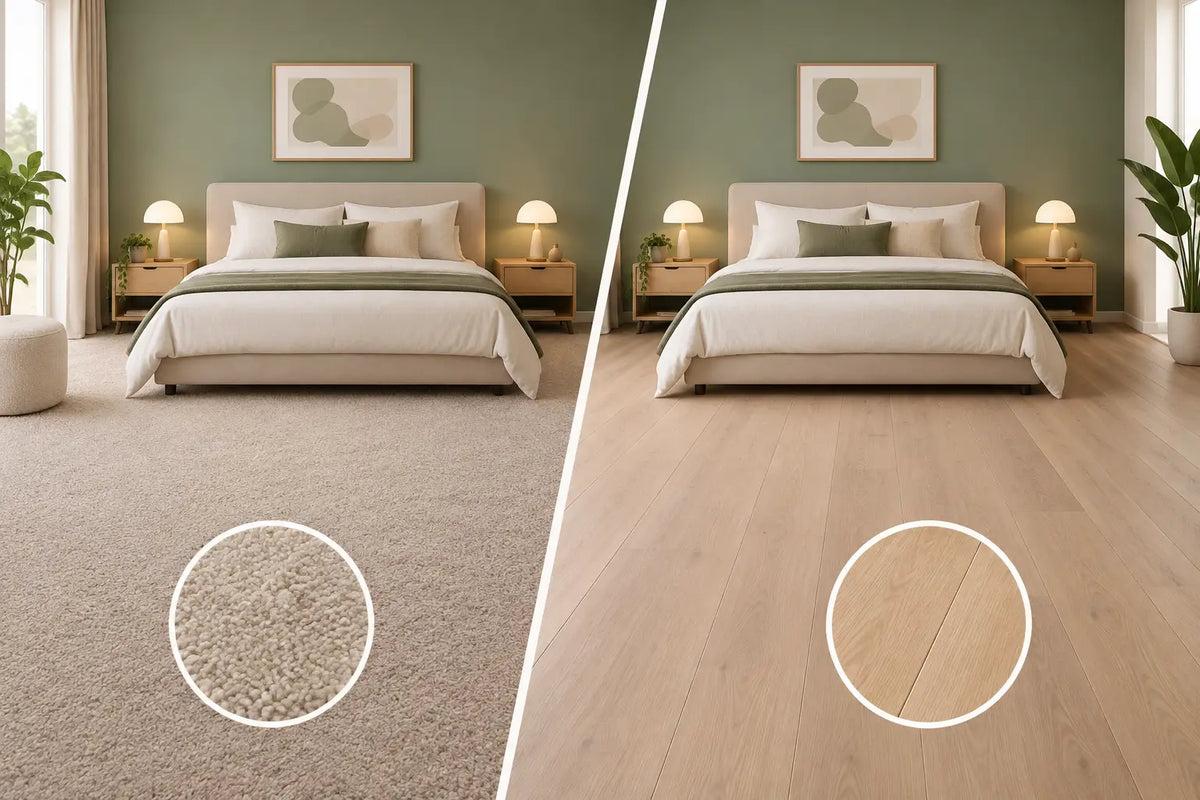
A high-pile rug feels wonderfully soft and instantly gives a bedroom or quiet seating area a luxurious look. Still, it isn’t the best choice for every room. Crumbs, hair, and spills are more likely to get caught between the longer fibers under a dining table. Heavy chairs are also harder to slide over a high pile.
For a family, a home with pets, or a frequently used living room, a low-pile rug is often the most worry-free choice. It’s easier to vacuum, furniture sits more securely, and stains are usually easier to treat. Modern low-pile rugs can still feel surprisingly soft, especially when finished with fine, dense fibers.
A washable rug is especially practical in a child’s room, kitchen, or busy home. Think paint, cookies, muddy shoes, or a spilled glass of fruit juice: in these situations, easy care isn’t a minor detail but a real comfort. Be sure to check the washing instructions and make sure the rug will fit in your washing machine. For large rugs, professional cleaning may be the better option.
If you love character and craftsmanship, consider a kilim or a hand-knotted rug. They bring texture, color, and a story into your home. Keep in mind that natural materials and handmade pieces have their own distinctive qualities: slight color variations, a lively texture, and subtle irregularities are all part of their charm.
Let color work with the light and furniture
A rug isn’t a standalone decorative piece. It really comes into its own alongside your flooring, sofa, curtains, and the daylight in the room. A beige, cream, or sand-colored rug makes a room feel light and timeless, but may need a little more attention in a family with young children. A mottled design or a pattern with several shades is more forgiving than a completely plain, light-colored rug.
Dark rugs add depth and a sense of comfort, especially in large or bright rooms. In a small room with little natural light, however, they can look heavy. A lighter rug with a subtle pattern often works better there. It reflects more light and keeps the room feeling open, without making everything look white or cold.
If you’re unsure, take a photo of your living room in daylight and again in the evening. The same rug can look very different under warm artificial lighting than it does next to a large window. Pay attention to the undertones in your furniture, too. A gray sofa might be a cool blue-gray or a warm taupe-gray, which affects whether a beige, terracotta, or anthracite rug will look harmonious alongside it.
Pattern is a practical choice, too
A pattern adds personality, but it also helps make everyday wear less noticeable. A classic pattern brings warmth to a modern interior, while a geometric design gives a calm, neutral space a little more energy. Want to change your accessories easily later on? Choose a rug with two or three colors that already appear in your interior, rather than a bold trend color that demands everyone’s attention.
Don’t forget the underside and the direction of the rug
A beautiful rug that slides, curls, or buckles is never a relaxing choice. An anti-slip underlay is a small investment that makes a big difference, especially on parquet, tile, laminate, or vinyl. It helps keep the rug in place, reduces wear from friction, and makes it feel more secure underfoot.
Some modern, easy-care models already have an anti-slip backing. That’s handy in rooms where children play or where people walk through often. Still, always check that the backing is suitable for your type of flooring, especially if you have underfloor heating or delicate wooden floors. An underlay can also add comfort and sound insulation, even when the rug itself is already firmly in place.
Think, too, about which way to lay the rug. With a rectangular rug, the longer side usually follows the longest line of the room or the direction of the sofa. In a narrow hallway, a runner can make the space look longer, as long as there’s still a nice strip of floor visible on each side.
Look beyond the purchase price
An affordable rug is appealing, but the best choice isn’t always the cheapest model per square meter. Consider how much use the rug will get, how easy it is to maintain, and how well its style will suit your interior over time. A slightly more expensive, densely woven low-pile rug that stays beautiful for years may end up costing less than a model that quickly becomes flattened or is hard to clean.
When ordering online, look beyond the lifestyle photo and check the size, material, pile height, care instructions, and color representation. A photo gives you a good first impression, but the light in your own home is what matters most. In a physical store, you can feel the texture and softness, while comparing online lets you take your time and weigh up different sizes and styles. At Omid Carpets, you can combine both ways of choosing: find inspiration whenever it suits you and ask for personal advice whenever you need it.
Give your rug a good start
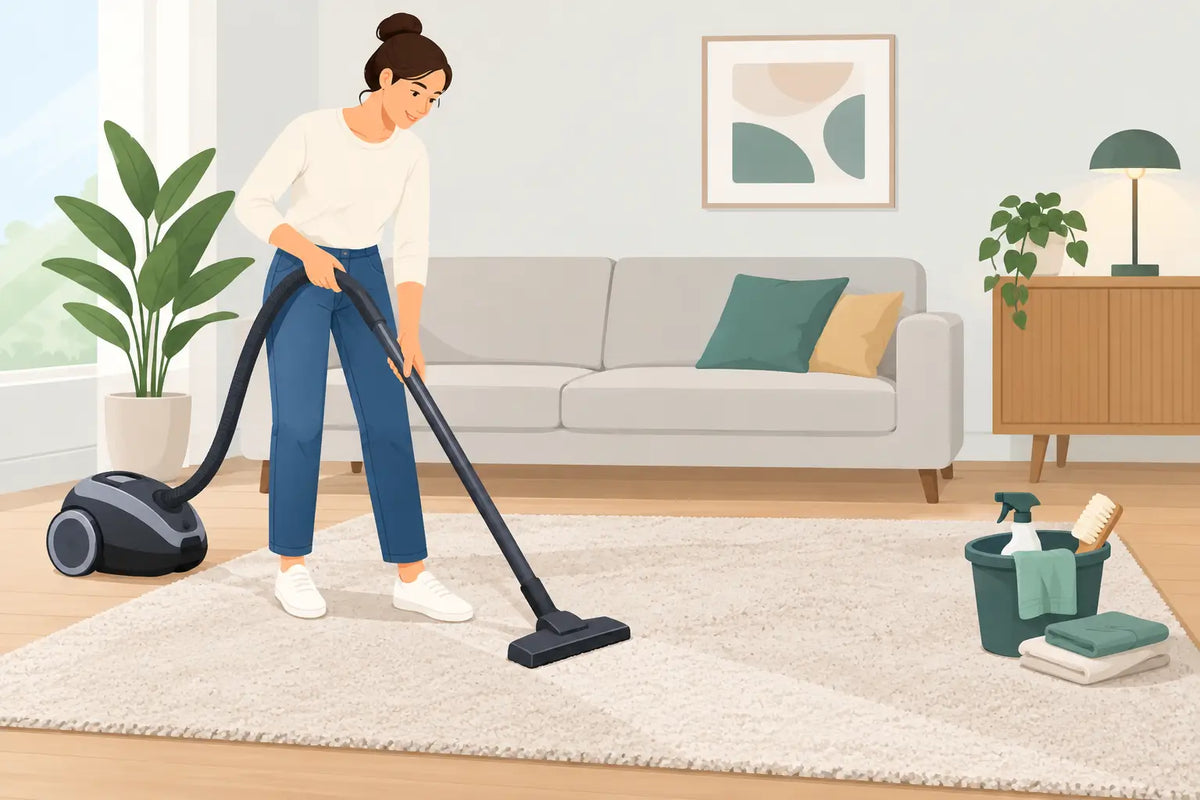
A new rug needs a little time to settle into your home. Unroll it fully, let any creases relax naturally, and vacuum it regularly using a suitable setting. Turn the rug halfway around from time to time, especially in a sunny room or somewhere that always gets the same foot traffic. This helps the color and fibers wear more evenly.
Treat a stain right away, but don’t scrub it. Gently blot it with a clean cloth and test any cleaning product on an inconspicuous corner first. It’s especially important to be careful with natural fibers or hand-knotted rugs. Beautiful rugs are made to be enjoyed, not kept at arm’s length.
So start by getting out your tape measure, think about how your family really lives, and then choose a design that makes you happy every day. A well-chosen rug isn’t just a beautiful finishing touch; it’s the soft foundation for many warm moments at home.

Leave a comment
This site is protected by hCaptcha and the hCaptcha Privacy Policy and Terms of Service apply.